


Understanding the difference between futures vs forex is essential for any trader looking to grow consistently or join a proprietary trading firm. While both markets offer opportunities to profit from price movements, they operate very differently in terms of structure, regulation, capital requirements, and trading style.
In this article, we’ll break down everything you need to know—from the core differences between futures and forex to real examples of futures prop firms and forex prop firms you can consider.
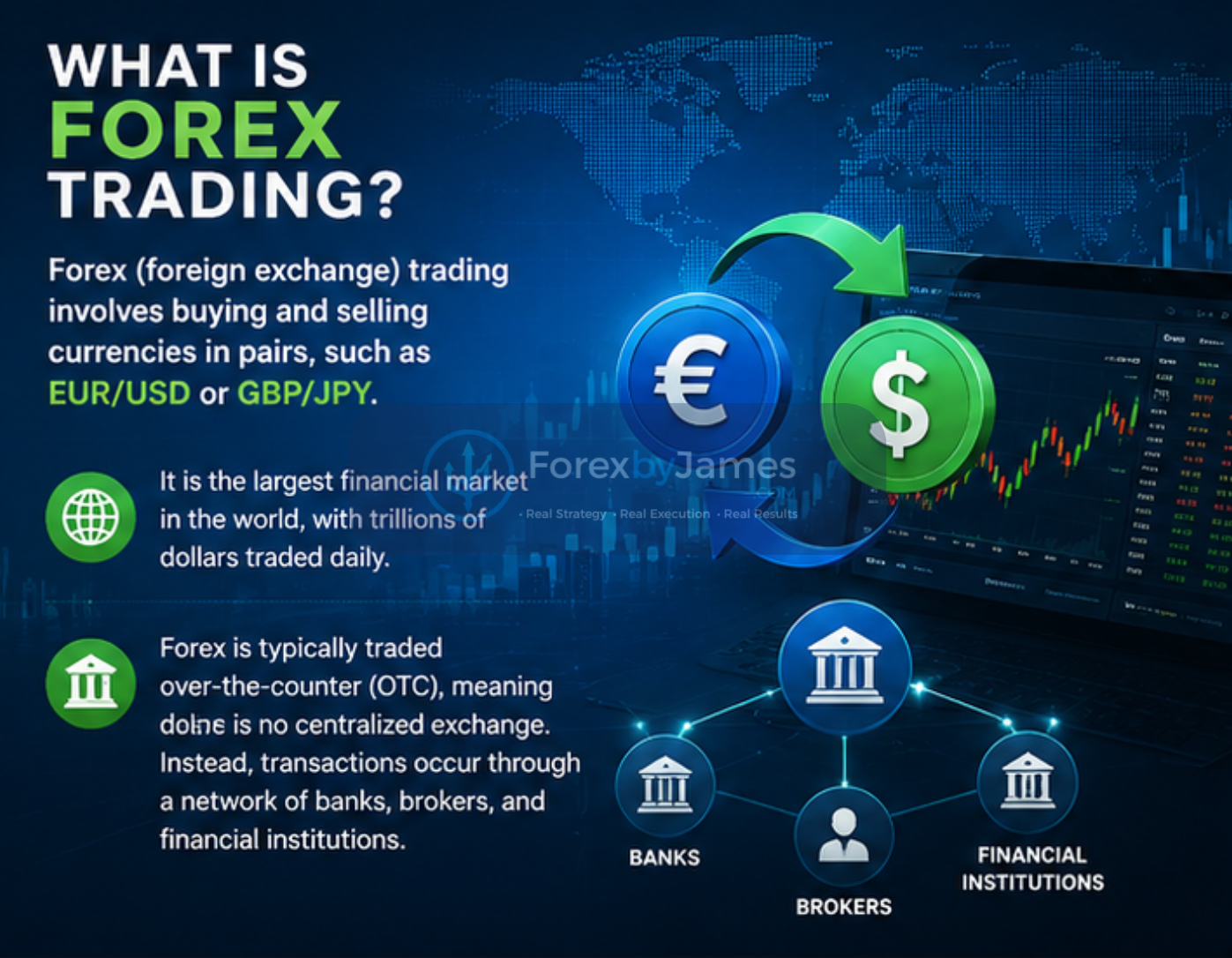
Forex (foreign exchange) trading involves buying and selling currencies in pairs, such as EUR/USD or GBP/JPY. It is the largest financial market in the world, with trillions of dollars traded daily.
Forex is typically traded over-the-counter (OTC), meaning there is no centralized exchange. Instead, transactions occur through a network of banks, brokers, and financial institutions.
Futures trading involves contracts that obligate traders to buy or sell an asset at a predetermined price on a future date. These contracts are traded on centralized exchanges like the Chicago Mercantile Exchange.
Futures can cover a wide range of assets, including:
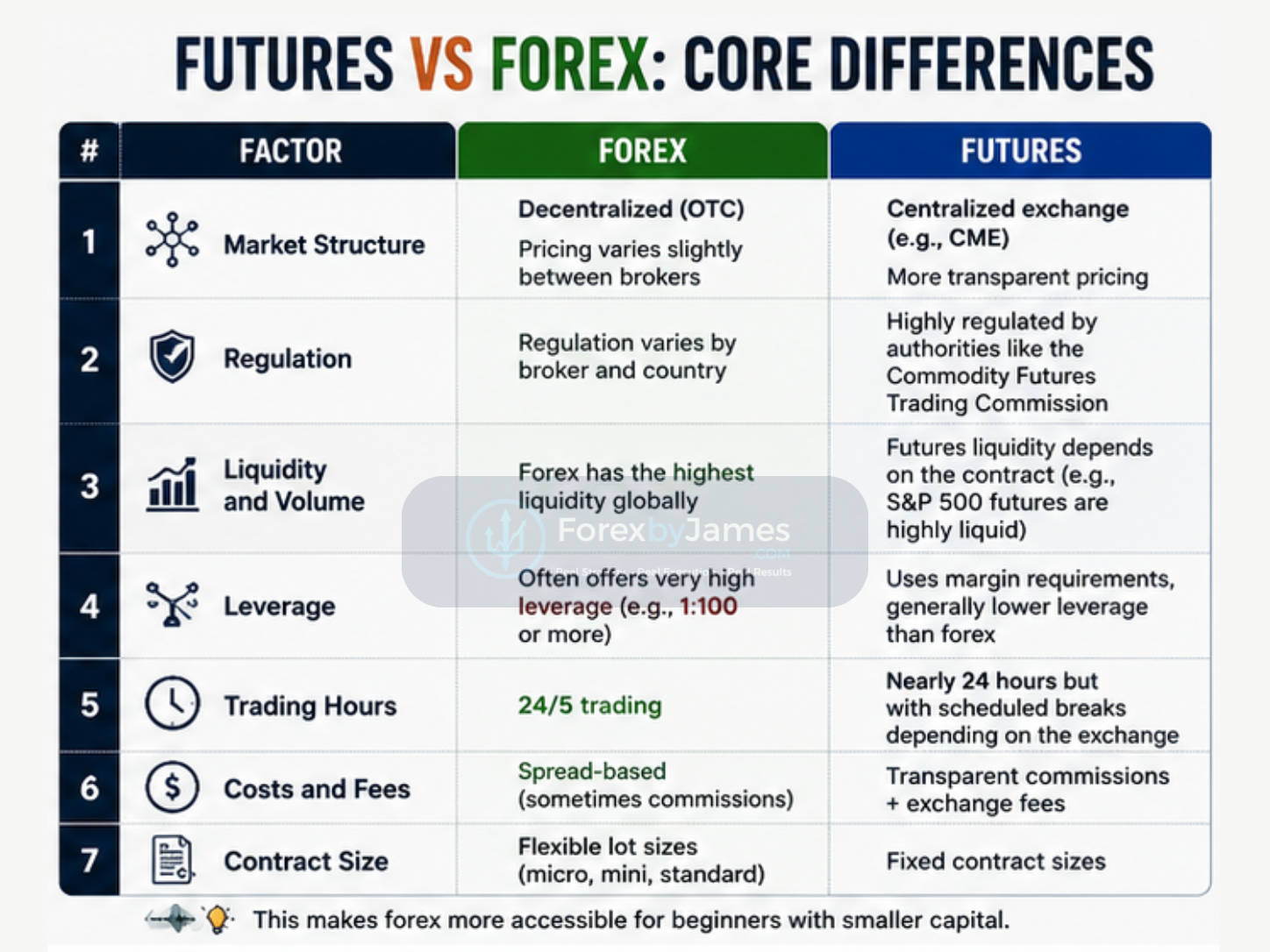
Let’s break down the main differences between futures vs forex:
This means futures markets are generally more transparent, while forex pricing can vary slightly between brokers.
Futures trading tends to offer more standardized rules and oversight.
High leverage in forex can amplify profits—but also losses.
This makes forex more accessible for beginners with smaller capital.
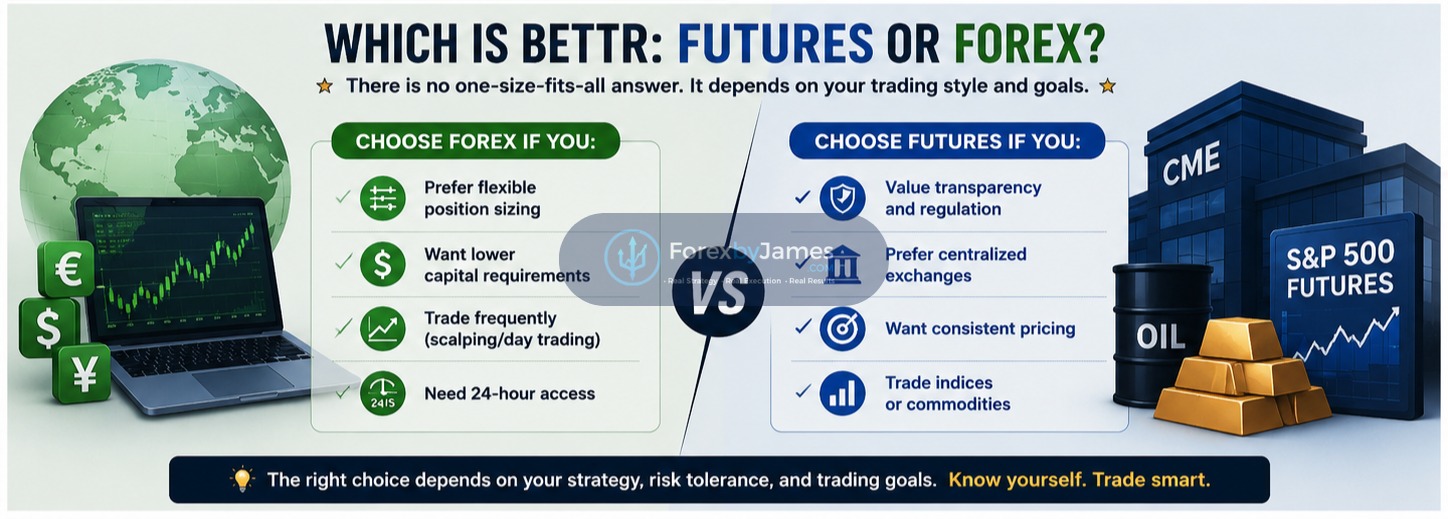
There is no one-size-fits-all answer. It depends on your trading style and goals.
Choose Forex if you:
Choose Futures if you:
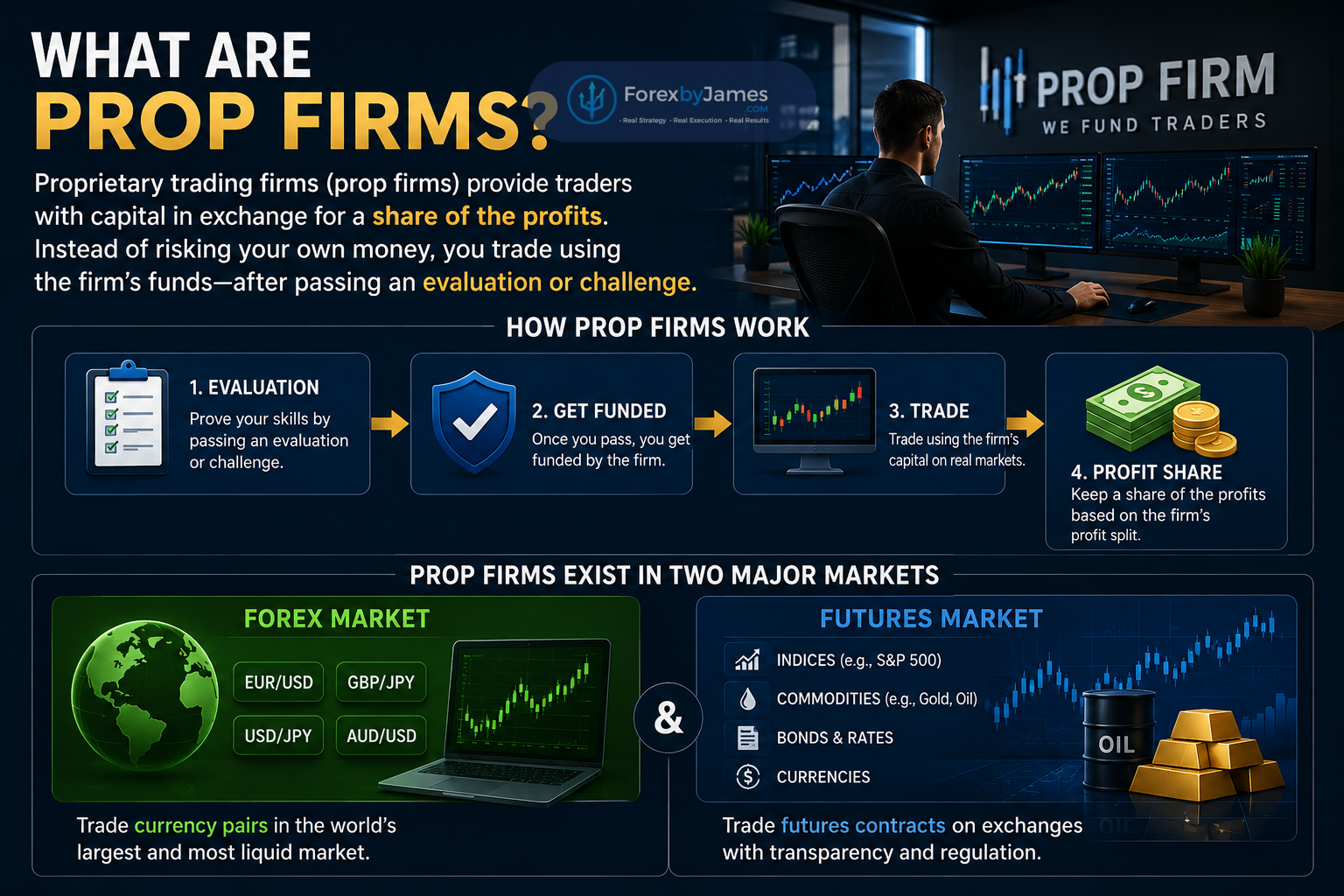
Proprietary trading firms (prop firms) provide traders with capital in exchange for a share of the profits. Instead of risking your own money, you trade using the firm’s funds—after passing an evaluation or challenge.
Prop firms exist in both forex and futures markets.
Here are some well-known forex prop firms:
One of the most popular forex prop firms globally, offering structured evaluation programs and up to 90% profit splits.
Key Features:
Known for flexible programs and multiple funding models.
Key Features:
A newer but fast-growing prop firm offering competitive profit splits.
Key Features:
Another forex-focused firm with straightforward rules and competitive pricing.
Now let’s look at some leading futures prop firms:
One of the pioneers in futures prop trading.
Key Features:
A popular choice among futures traders due to frequent discounts and flexible scaling.
Key Features:
Education-focused firm that combines training with funding opportunities.
A newer entrant offering competitive evaluation models and payouts.
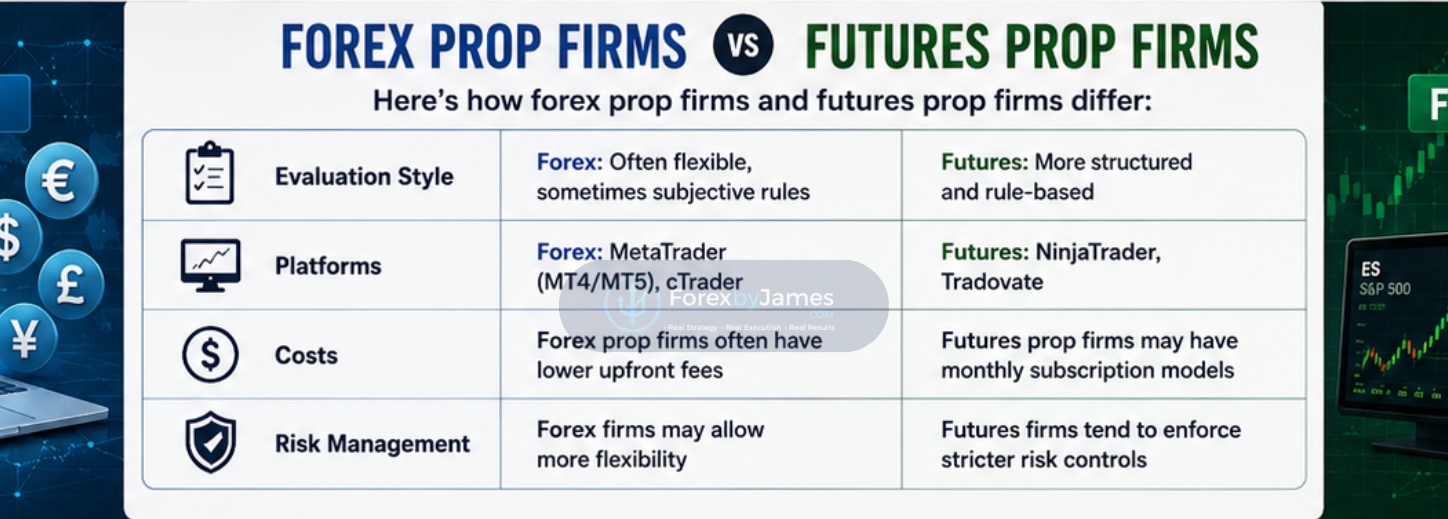
Here’s how forex prop firms and futures prop firms differ:
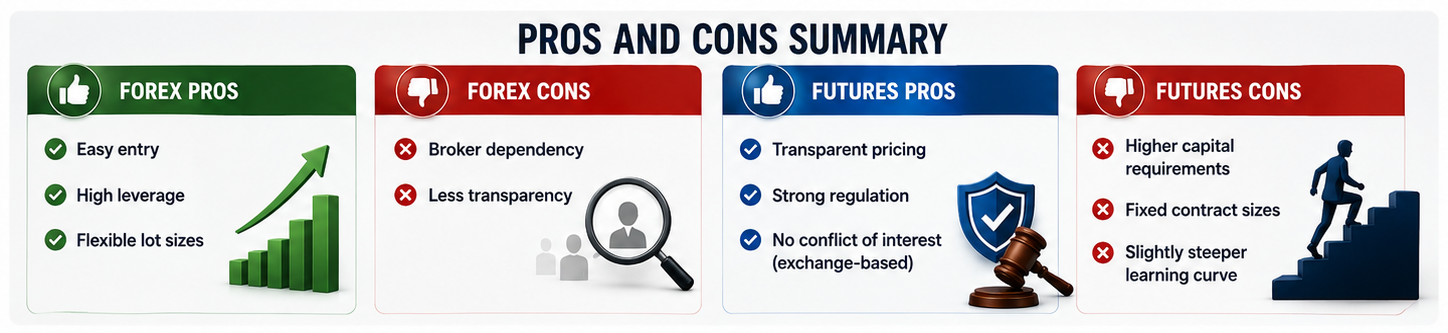
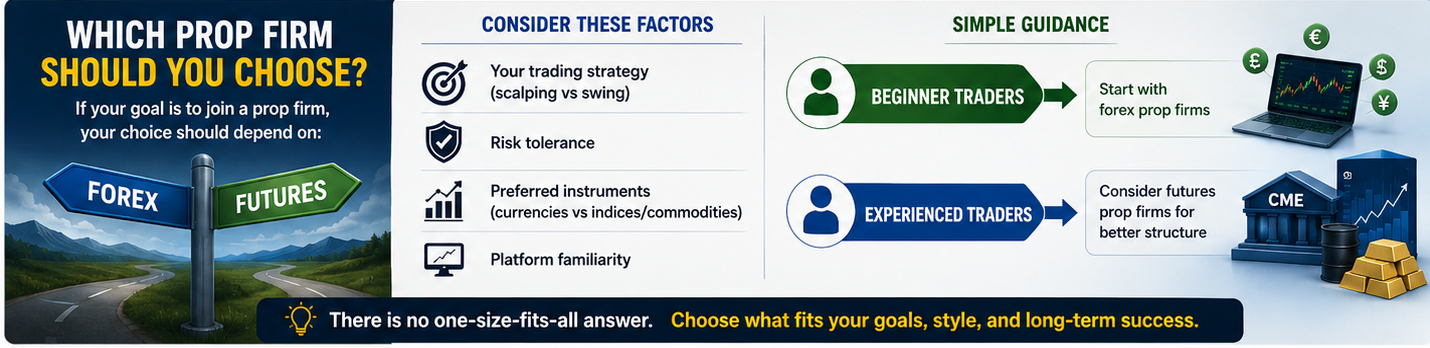
If your goal is to join a prop firm, your choice should depend on:
The debate of futures vs forex ultimately comes down to your personal trading style and long-term goals.
Forex offers accessibility and flexibility, making it ideal for beginners. Futures, on the other hand, provide transparency and structure—qualities that many professional traders prefer.
When it comes to funding, both futures prop firms and forex prop firms offer excellent opportunities. The key is choosing a firm that aligns with your strategy and risk management approach.
If you’re serious about becoming consistently profitable, focus less on the market you choose—and more on your discipline, risk management, and execution.
Because in the end, consistency beats everything.